Introduction
When it comes to cleanroom supplies for pharmaceutical manufacturing, it's crucial to maintain the highest standards of clean and sterile environments to ensure the quality and safety of products. The cleanroom is a critical area in any pharmaceutical manufacturing facility, and the right supplies can make all the difference. In this article, we will explore the best cleanroom supplies for pharma manufacturing in 2026, including wipes, cleaning solutions, and other essential materials. We will also discuss the importance of cleanroom maintenance and the role of supplies in ensuring compliance with regulatory standards.
The pharmaceutical industry is heavily regulated, and cleanroom supplies play a vital role in maintaining the integrity of the manufacturing process. From cleaning and disinfecting surfaces to maintaining sterile equipment, the right supplies can help prevent contamination and ensure the quality of products. In this article, we will provide a step-by-step guide to selecting the best cleanroom supplies for your pharmaceutical manufacturing facility.
In addition to discussing the best cleanroom supplies, we will also explore the latest trends in the pharma industry, including the increasing demand for cleanroom supplies and the growing importance of regulatory compliance. We will also examine the different types of cleanroom supplies available, including wipes, cleaning solutions, and personal protective equipment (PPE).
Understanding Cleanroom Supplies
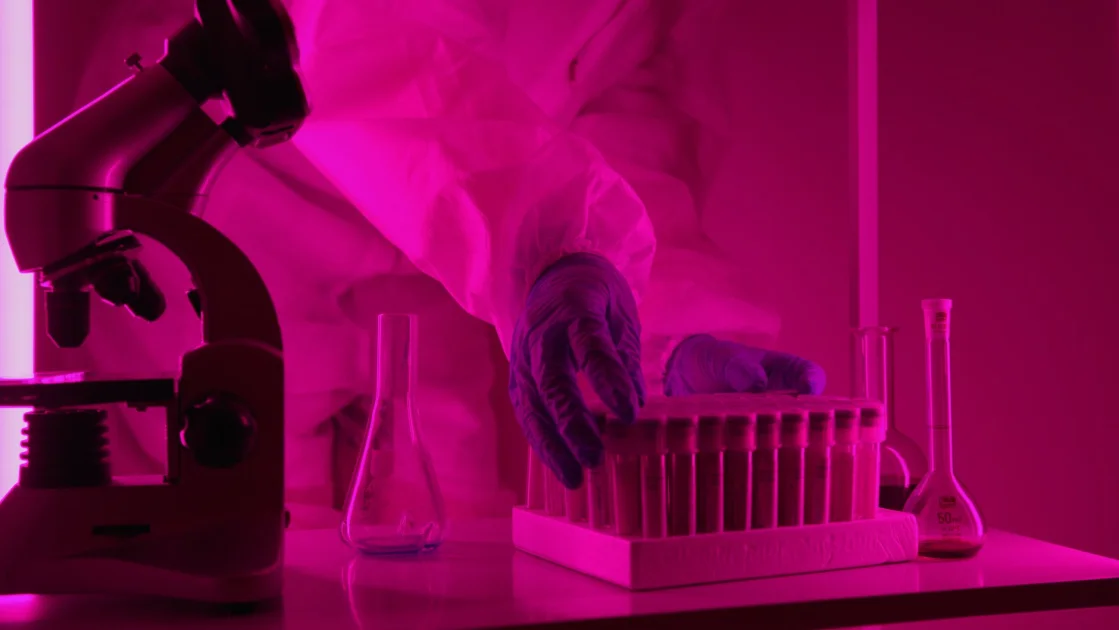
A cleanroom is a controlled environment that is designed to minimize the presence of contaminants and particles. In a pharmaceutical manufacturing facility, the cleanroom is where the most critical processes take place, including filling, packaging, and labeling. To maintain the integrity of the cleanroom, it's essential to use the right supplies, including wipes, cleaning solutions, and disinfectants.
There are several types of cleanroom supplies available, each designed for a specific purpose. For example, wipes are used to clean and disinfect surfaces, while cleaning solutions are used to sanitize equipment and floors. Disinfectants are used to kill bacteria and other microorganisms that can contaminate the cleanroom. When selecting cleanroom supplies, it's essential to consider the specific needs of your pharmaceutical manufacturing facility.
In addition to wipes, cleaning solutions, and disinfectants, there are other cleanroom supplies that are essential for maintaining a sterile environment. These include personal protective equipment (PPE), such as gloves, masks, and gowns, as well as cleanroom furniture and equipment. When selecting cleanroom supplies, it's essential to consider the quality and effectiveness of the products, as well as their compatibility with your cleanroom environment.
Types of Cleanroom Supplies
There are several types of cleanroom supplies available, each designed for a specific purpose. Some of the most common types of cleanroom supplies include:
- Wipes: used to clean and disinfect surfaces
- Cleaning solutions: used to sanitize equipment and floors
- Disinfectants: used to kill bacteria and other microorganisms
- Personal protective equipment (PPE): used to protect workers from contamination
When selecting cleanroom supplies, it's essential to consider the specific needs of your pharmaceutical manufacturing facility. This includes the type of products being manufactured, the level of contamination control required, and the specific regulatory requirements that must be met.
In addition to considering the specific needs of your pharmaceutical manufacturing facility, it's also essential to consider the quality and effectiveness of the cleanroom supplies. This includes evaluating the performance of the products, as well as their compatibility with your cleanroom environment.
Indian Market Specifics
The Indian pharmaceutical industry is one of the fastest-growing in the world, with a large number of manufacturing facilities located throughout the country. To maintain the integrity of these facilities, it's essential to use high-quality cleanroom supplies that meet the required regulatory standards.
In India, the regulatory requirements for cleanroom supplies are strict, with a focus on maintaining the highest standards of quality and safety. The Central Drugs Standard Control Organisation (CDSCO) is responsible for regulating the pharmaceutical industry, including the use of cleanroom supplies.
When selecting cleanroom supplies for use in an Indian pharmaceutical manufacturing facility, it's essential to consider the specific regulatory requirements that must be met. This includes evaluating the quality and effectiveness of the products, as well as their compatibility with the cleanroom environment.
Comparison and Selection Criteria
When selecting cleanroom supplies, it's essential to consider several factors, including the type of products being manufactured, the level of contamination control required, and the specific regulatory requirements that must be met. Here are some key factors to consider:
- Quality and effectiveness of the products
- Compatibility with the cleanroom environment
- Regulatory compliance with relevant standards and regulations
- Cost and value for money
By considering these factors, you can select the best cleanroom supplies for your pharmaceutical manufacturing facility and maintain the highest standards of quality and safety.
In addition to considering these factors, it's also essential to evaluate the performance of the cleanroom supplies over time. This includes monitoring their effectiveness in maintaining a sterile environment and their compatibility with the cleanroom environment.
Cost Analysis and ROI
The cost of cleanroom supplies can vary depending on the type and quality of the products, as well as the specific needs of your pharmaceutical manufacturing facility. However, investing in high-quality cleanroom supplies can provide a significant return on investment (ROI) in the long run.
By maintaining a sterile environment and preventing contamination, high-quality cleanroom supplies can help reduce the risk of product recalls and regulatory non-compliance. This can result in significant cost savings and improved efficiency in the manufacturing process.
In addition to the cost savings, investing in high-quality cleanroom supplies can also improve the overall quality and safety of your products. This can result in increased customer satisfaction and loyalty, as well as improved reputation and competitiveness in the market.
Implementation Guide
Implementing a cleanroom supply program in your pharmaceutical manufacturing facility requires careful planning and execution. Here are some steps to follow:
- Assess your cleanroom environment and identify areas for improvement
- Select the right cleanroom supplies for your facility
- Train your staff on the proper use and maintenance of the cleanroom supplies
- Monitor the performance of the cleanroom supplies over time
By following these steps, you can ensure that your cleanroom supply program is effective and efficient, and that your pharmaceutical manufacturing facility maintains the highest standards of quality and safety.
Frequently Asked Questions
What are the trends in pharma industry 2026?
The pharma industry is expected to continue growing in 2026, with a focus on innovation and regulatory compliance.
Which is the best clean room manufacturer in India?
There are several clean room manufacturers in India, each with their own strengths and weaknesses. It's essential to evaluate the quality and effectiveness of their products before making a decision.
What are the standard for clean rooms in pharma?
The standards for clean rooms in pharma are strict, with a focus on maintaining the highest standards of quality and safety.
What is the highest grade cleanroom?
The highest grade cleanroom is typically considered to be a Class 1 or ISO 3 cleanroom, which has the most stringent contamination control requirements.