Introduction
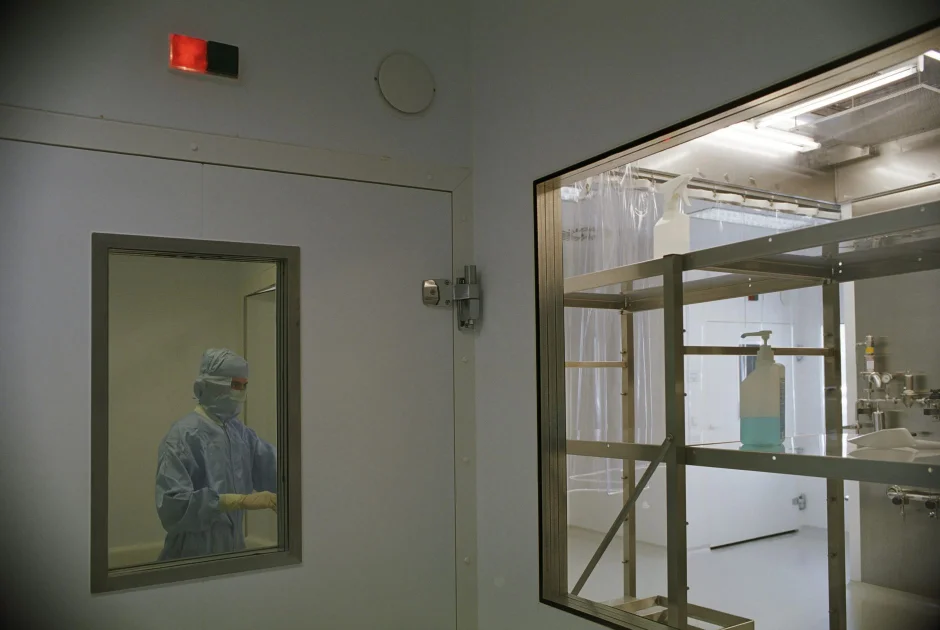
A cleanroom is a controlled environment that has a low level of contaminants, such as dust, airborne microbes, and chemical vapors. The classification of a cleanroom is based on the number of particles per cubic meter, and it is crucial to understand the different standards and classifications to ensure the quality of products and the safety of personnel. In this article, we will provide a comprehensive guide to cleanroom classification and supply requirements, including a step-by-step guide, FAQ section, and comparison table.
The importance of cleanrooms cannot be overstated, as they are used in a variety of industries, including pharmaceuticals, biotechnology, and electronics. The design and construction of a cleanroom require careful planning and attention to detail to ensure that the environment is clean and free from contaminants. In addition to the physical structure, the supply of cleanroom equipment and materials is also critical to maintaining a clean and safe environment.
The classification of a cleanroom is based on the number of particles per cubic meter, and there are several different classifications to choose from. The most common classifications are ISO 1, ISO 2, ISO 3, ISO 4, ISO 5, ISO 6, ISO 7, ISO 8, and ISO 9, with ISO 1 being the cleanest and ISO 9 being the least clean. Understanding the different classifications and standards is essential to ensuring the quality of products and the safety of personnel.
Cleanroom Design and Construction
The design and construction of a cleanroom require careful planning and attention to detail to ensure that the environment is clean and free from contaminants. The design should take into account the specific needs of the industry and the type of products being manufactured. The construction of a cleanroom should be done using materials that are non-porous and easy to clean, such as stainless steel and glass.
In addition to the physical structure, the ventilation system is also critical to maintaining a clean and safe environment. The ventilation system should be designed to provide a consistent flow of filtered air and to remove any contaminants that may be present. The filtration system should be designed to remove particles as small as 0.1 microns, and the airflow should be sufficient to provide a minimum of 30 air changes per hour.
The lighting system should also be designed to minimize the amount of heat and ultraviolet light that is emitted, as these can cause contamination and degradation of products. The lighting system should be designed to provide a consistent and even level of illumination, and should be easy to clean and maintain.
Cleanroom Classifications and Standards
The classification of a cleanroom is based on the number of particles per cubic meter, and there are several different classifications to choose from. The most common classifications are ISO 1, ISO 2, ISO 3, ISO 4, ISO 5, ISO 6, ISO 7, ISO 8, and ISO 9, with ISO 1 being the cleanest and ISO 9 being the least clean. Understanding the different classifications and standards is essential to ensuring the quality of products and the safety of personnel.
The standards for cleanrooms are set by the International Organization for Standardization (ISO) and the Institute of Environmental Sciences and Technology (IEST). These standards provide guidelines for the design, construction, and operation of cleanrooms, and include requirements for ventilation, filtration, and cleaning.
The following are some of the key standards for cleanrooms:
- ISO 14644-1:2015 - Cleanrooms and associated controlled environments - Part 1: Classification of air cleanliness
- ISO 14644-2:2015 - Cleanrooms and associated controlled environments - Part 2: Specifications for testing and monitoring to prove continued compliance with ISO 14644-1
- IEST-RP-CC006.3:2016 - Unidirectional Flow Clean-Air Devices
Cleanroom Supply Requirements
The supply of cleanroom equipment and materials is critical to maintaining a clean and safe environment. The following are some of the key supply requirements for cleanrooms:
- Cleanroom garments, including gowns, hats, and gloves
- Cleanroom cleaning supplies, including disinfectants and cleaning solutions
- Cleanroom equipment, including air filters and ventilation systems
- Cleanroom materials, including stainless steel and glass
In addition to these supply requirements, it is also important to consider the quality and reliability of the supplier. The supplier should be able to provide high-quality products and services, and should have a strong reputation for reliability and customer service.
Indian Market Specifics and Regulations
The Indian market for cleanrooms is growing rapidly, driven by the increasing demand for pharmaceuticals, biotechnology, and electronics products. The regulations for cleanrooms in India are set by the Central Drugs Standard Control Organization (CDSCO) and the Indian Pharmacopoeia Commission (IPC).
The following are some of the key regulations for cleanrooms in India:
- Good Manufacturing Practices (GMP) for pharmaceuticals and biotechnology products
- Guidelines for cleanroom classification and validation
- Regulations for cleanroom equipment and materials
In addition to these regulations, it is also important to consider the standards for cleanrooms set by the International Organization for Standardization (ISO) and the Institute of Environmental Sciences and Technology (IEST).
Comparison and Selection Criteria
When selecting a cleanroom supplier, it is important to consider the following comparison and selection criteria:
- Quality and reliability of products and services
- Experience and expertise in cleanroom design and construction
- Compliance with regulations and standards
- Customer service and support
In addition to these criteria, it is also important to consider the cost and value of the products and services being offered. The supplier should be able to provide high-quality products and services at a competitive price.
Cost Analysis and Practical Tips
The cost of a cleanroom can vary widely, depending on the size, complexity, and features of the facility. The following are some practical tips for reducing the cost of a cleanroom:
- Optimize the design and layout of the facility
- Select energy-efficient equipment and systems
- Implement a regular maintenance and cleaning schedule
In addition to these tips, it is also important to consider the return on investment (ROI) of a cleanroom. The ROI can be significant, as a cleanroom can help to improve the quality and yield of products, and reduce the risk of contamination and regulatory issues.
Implementation Guide and Best Practices
The implementation of a cleanroom requires careful planning and attention to detail. The following are some best practices for implementing a cleanroom:
- Develop a comprehensive plan for the design, construction, and operation of the facility
- Train personnel on the proper use and maintenance of cleanroom equipment and systems
- Establish a regular maintenance and cleaning schedule
In addition to these best practices, it is also important to consider the safety and health of personnel working in the cleanroom. The cleanroom should be designed and constructed to minimize the risk of accidents and injuries, and personnel should be trained on the proper use of personal protective equipment (PPE).
Frequently Asked Questions
What is a cleanroom?
A cleanroom is a controlled environment that has a low level of contaminants, such as dust, airborne microbes, and chemical vapors.
What are the different classifications of cleanrooms?
The most common classifications of cleanrooms are ISO 1, ISO 2, ISO 3, ISO 4, ISO 5, ISO 6, ISO 7, ISO 8, and ISO 9, with ISO 1 being the cleanest and ISO 9 being the least clean.
What are the key supply requirements for cleanrooms?
The key supply requirements for cleanrooms include cleanroom garments, cleaning supplies, equipment, and materials.
What are the regulations for cleanrooms in India?
The regulations for cleanrooms in India are set by the Central Drugs Standard Control Organization (CDSCO) and the Indian Pharmacopoeia Commission (IPC), and include guidelines for good manufacturing practices (GMP) and cleanroom classification and validation.
How can I reduce the cost of a cleanroom?
The cost of a cleanroom can be reduced by optimizing the design and layout of the facility, selecting energy-efficient equipment and systems, and implementing a regular maintenance and cleaning schedule.