Introduction
Industrial housekeeping and hygiene supplies play a crucial role in maintaining a clean and healthy environment in factories, warehouses, hospitals, and pharma companies. The importance of industrial cleaning cannot be overstated, as it helps prevent the spread of diseases, reduces the risk of accidents, and improves overall productivity. In this comprehensive guide, we will delve into the world of housekeeping supplies and provide a step-by-step guide on how to choose the right cleaning equipment and supplies for your industrial facility.
The housekeeping department is responsible for maintaining the overall cleanliness and organization of the facility, which includes floor cleaning, waste management, and equipment maintenance. A well-maintained facility not only improves the health and safety of employees but also enhances the overall image of the company. In this article, we will explore the different types of industrial cleaning supplies available, their uses, and provide a pricing breakdown to help you make informed decisions.
In addition to cleaning supplies, housekeeping services are also essential for maintaining a clean and healthy environment. These services include floor cleaning, window cleaning, and waste management. By outsourcing housekeeping services, companies can focus on their core operations while ensuring a clean and safe working environment for their employees.
Understanding Industrial Housekeeping
Industrial housekeeping refers to the process of maintaining a clean and organized work environment in industrial facilities. This includes cleaning and maintaining equipment, floor care, and waste management. Effective housekeeping practices can help prevent accidents, reduce the risk of diseases, and improve overall productivity.
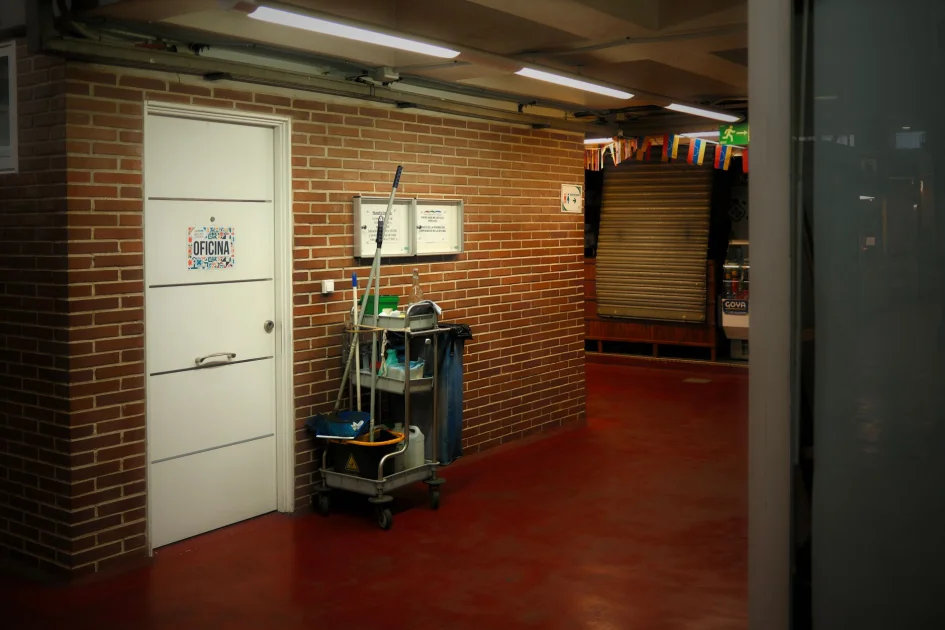
A key aspect of industrial housekeeping is the use of cleaning equipment and supplies. This includes vacuum cleaners, mops, brooms, and cleaning solutions. The choice of cleaning equipment and supplies depends on the type of facility, the level of cleaning required, and the budget.
Housekeeping practices also involve the use of personal protective equipment (PPE) such as gloves, masks, and goggles. This is especially important when handling chemical cleaners or hazardous materials. By using PPE, employees can protect themselves from chemical burns, skin irritation, and other health hazards.
Types of Industrial Cleaning Supplies
There are various types of industrial cleaning supplies available, each with its own specific use and application. Some of the most common types of cleaning supplies include:
- All-purpose cleaners: These are versatile cleaners that can be used on a variety of surfaces, including floors, walls, and equipment.
- Glass cleaners: These are specialized cleaners designed for cleaning glass surfaces, such as windows and mirrors.
- Disinfectants: These are cleaners that are designed to kill bacteria, viruses, and other microorganisms.
- Degreasers: These are cleaners that are designed to remove grease and oil from surfaces.
In addition to these types of cleaning supplies, there are also various equipment and tools available, such as vacuum cleaners, mops, and brooms. The choice of equipment and tools depends on the type of facility, the level of cleaning required, and the budget.
Indian Market Specifics
The Indian market for industrial housekeeping supplies is a growing industry, driven by the increasing demand for clean and healthy work environments. The market is dominated by local players, with a few international companies also operating in the market.
The Indian government has implemented various regulations and standards to ensure the safe use of cleaning supplies and equipment. For example, the Indian Standards (IS) has set standards for the manufacture and use of cleaning supplies and equipment.
In addition to regulations, there are also various certifications available for industrial housekeeping supplies, such as the ISO 9001 certification for quality management. Companies that obtain these certifications demonstrate their commitment to quality and safety.
Comparison and Selection Criteria
When selecting industrial housekeeping supplies, there are several factors to consider, including the type of facility, the level of cleaning required, and the budget. Here are some key factors to consider:
- Effectiveness: The cleaning supply or equipment should be effective in cleaning and removing dirt, grime, and other substances.
- Safety: The cleaning supply or equipment should be safe to use and not pose any health risks to employees or the environment.
- Cost: The cleaning supply or equipment should be cost-effective and fit within the budget.
- Environmental impact: The cleaning supply or equipment should have a minimal environmental impact and be eco-friendly.
By considering these factors, companies can select the most suitable industrial housekeeping supplies for their facilities and ensure a clean and healthy work environment.
Cost Analysis and ROI
The cost of industrial housekeeping supplies can vary depending on the type of facility, the level of cleaning required, and the budget. Here is a breakdown of the costs involved:
- Cleaning supplies: The cost of cleaning supplies can range from Rs. 500 to Rs. 5,000 per month, depending on the type and quantity of supplies needed.
- Equipment: The cost of equipment can range from Rs. 5,000 to Rs. 50,000, depending on the type and quality of equipment needed.
- Services: The cost of housekeeping services can range from Rs. 10,000 to Rs. 50,000 per month, depending on the type and frequency of services needed.
By investing in industrial housekeeping supplies and services, companies can expect a significant return on investment (ROI) in terms of improved productivity, reduced absenteeism, and enhanced employee morale.
Implementation Guide
Implementing an effective industrial housekeeping program requires careful planning and execution. Here are some steps to follow:
- Conduct a thorough assessment of the facility to identify areas that require cleaning and maintenance.
- Develop a cleaning schedule that outlines the frequency and type of cleaning required for each area.
- Train employees on the proper use of cleaning supplies and equipment.
- Monitor and evaluate the effectiveness of the housekeeping program and make adjustments as needed.
By following these steps, companies can implement an effective industrial housekeeping program that improves the overall cleanliness and health of their facilities.
Frequently Asked Questions
What is the role of housekeeping in industrial hygiene?
The role of housekeeping in industrial hygiene is to maintain a clean and healthy work environment, prevent the spread of diseases, and reduce the risk of accidents.
What are industrial cleaning supplies?
Industrial cleaning supplies refer to the various types of cleaners, equipment, and tools used to clean and maintain industrial facilities.
What is industrial hygiene equipment?
Industrial hygiene equipment refers to the various types of equipment used to maintain a clean and healthy work environment, including vacuum cleaners, mops, and brooms.
What is R1, R2, R3, R4, R5 in housekeeping?
R1, R2, R3, R4, R5 refer to the different levels of cleaning required in industrial facilities, ranging from basic cleaning to high-level disinfection.