Introduction
Housekeeping and hygiene supplies play a vital role in maintaining a clean and healthy environment in industrial facilities, and cleaning is an essential part of it. The importance of housekeeping cannot be overstated, as it helps prevent the spread of diseases, reduces the risk of accidents, and improves overall productivity. In this article, we will delve into the world of industrial housekeeping and hygiene supplies, exploring the various types of supplies available, their uses, and the benefits of implementing a robust housekeeping system. We will also discuss the different types of cleaners and services available, as well as the importance of regular maintenance and equipment upkeep.
The role of housekeeping in industrial hygiene is multifaceted, involving not only the removal of dirt and debris but also the prevention of contamination and the spread of diseases. A well-planned housekeeping system can help reduce the risk of accidents, improve employee morale, and increase overall efficiency. In addition to the physical benefits, a clean and well-maintained facility can also enhance the company's reputation and improve customer satisfaction. As such, it is essential for industrial facilities to invest in high-quality housekeeping and hygiene supplies, including cleaning solutions, equipment, and services.
In India, the demand for housekeeping and hygiene supplies is on the rise, driven by the growing awareness of the importance of cleanliness and hygiene in industrial facilities. As a result, there are numerous suppliers and manufacturers offering a wide range of housekeeping and hygiene supplies, from basic cleaning solutions to advanced equipment and services. With so many options available, it can be challenging for procurement managers and facility supervisors to choose the right supplies for their needs. In this article, we will provide a comprehensive guide to housekeeping and hygiene supplies, including a guide to selecting the right supplies, a comparison of different types of supplies, and a discussion of the benefits of implementing a robust housekeeping system.
Role of Housekeeping in Industrial Hygiene
The role of housekeeping in industrial hygiene is critical, as it helps prevent the spread of diseases, reduces the risk of accidents, and improves overall productivity. A well-planned housekeeping system can help identify and mitigate potential hazards, such as spills, leaks, and contamination. It can also help reduce the risk of accidents, such as slips, trips, and falls, by ensuring that floors and surfaces are clean and free of debris. In addition to the physical benefits, a clean and well-maintained facility can also enhance the company's reputation and improve customer satisfaction.
There are several types of housekeeping systems, including R1, R2, R3, R4, and R5. Each type of system has its own unique characteristics and benefits, and the choice of system will depend on the specific needs and requirements of the facility. For example, R1 systems are designed for high-risk areas, such as operating rooms and laboratories, while R5 systems are designed for low-risk areas, such as offices and warehouses.
In addition to the type of system, the frequency and quality of housekeeping are also critical factors in maintaining a clean and healthy environment. Regular maintenance and equipment upkeep are essential to ensure that the housekeeping system is functioning effectively. This includes tasks such as cleaning and disinfecting surfaces, emptying trash and recyclables, and restocking supplies. By implementing a robust housekeeping system, industrial facilities can reduce the risk of accidents, improve employee morale, and increase overall efficiency.
Types of Industrial Cleaning Supplies
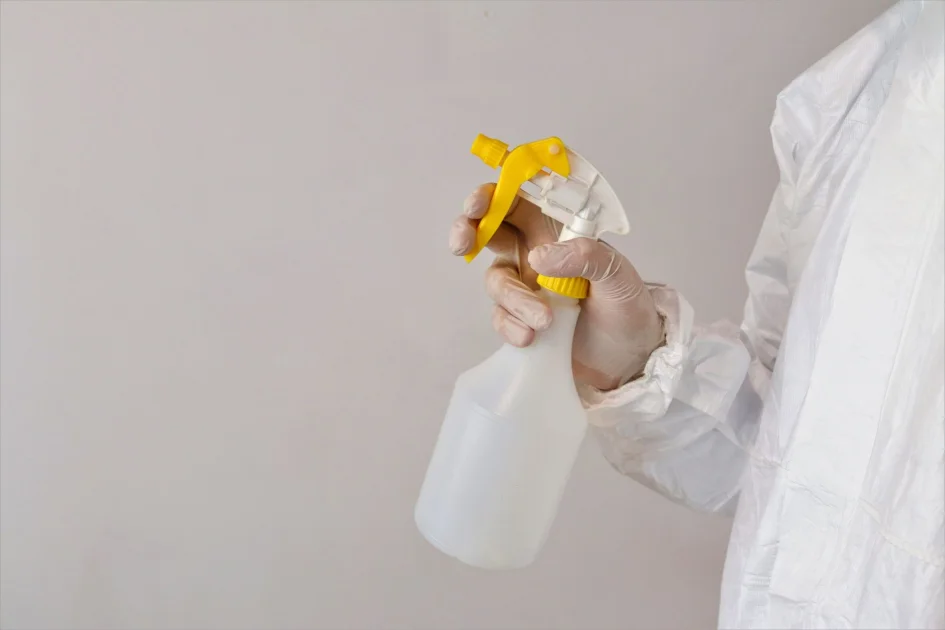
There are numerous types of industrial cleaning supplies available, each designed for specific tasks and applications. Some common types of supplies include cleaners, disinfectants, sanitizers, and degreasers. Cleaners are designed to remove dirt, grime, and other substances from surfaces, while disinfectants and sanitizers are designed to kill bacteria, viruses, and other microorganisms. Degreasers are designed to remove grease, oil, and other substances from surfaces.
In addition to these types of supplies, there are also numerous equipment and tools available to help with housekeeping and cleaning tasks. These include mops, brooms, vacuums, and scrubbers. Each type of equipment has its own unique characteristics and benefits, and the choice of equipment will depend on the specific needs and requirements of the facility. For example, mops are designed for cleaning large areas, such as floors and walls, while brooms are designed for cleaning smaller areas, such as corners and crevices.
When selecting industrial cleaning supplies, it is essential to consider the specific needs and requirements of the facility. This includes factors such as the type of surfaces to be cleaned, the level of dirt and grime, and the presence of any hazardous materials. By choosing the right supplies and equipment, industrial facilities can ensure that their housekeeping and cleaning tasks are completed efficiently and effectively.
ABCD of Housekeeping
The ABCD of housekeeping is a framework for understanding the key principles of housekeeping and hygiene. The A stands for assignment, which refers to the allocation of housekeeping tasks to specific individuals or teams. The B stands for budgeting, which refers to the allocation of resources, such as supplies and equipment, to support housekeeping tasks. The C stands for cleaning, which refers to the actual cleaning and disinfecting of surfaces. The D stands for disinfecting, which refers to the use of disinfectants and sanitizers to kill bacteria, viruses, and other microorganisms.
In addition to the ABCD framework, there are numerous other principles and guidelines that can help industrial facilities develop and implement effective housekeeping and hygiene systems. These include guidelines for cleaning and disinfecting surfaces, guidelines for waste management, and guidelines for personal hygiene. By following these principles and guidelines, industrial facilities can reduce the risk of accidents, improve employee morale, and increase overall efficiency.
Some of the key benefits of implementing a robust housekeeping and hygiene system include:
- Reduced risk of accidents and injuries
- Improved employee morale and productivity
- Enhanced company reputation and customer satisfaction
- Reduced risk of contamination and disease transmission
- Improved overall efficiency and effectiveness
Indian Market Specifics
In India, the demand for housekeeping and hygiene supplies is on the rise, driven by the growing awareness of the importance of cleanliness and hygiene in industrial facilities. As a result, there are numerous suppliers and manufacturers offering a wide range of housekeeping and hygiene supplies, from basic cleaning solutions to advanced equipment and services. The Indian market is highly competitive, with numerous players competing for market share.
Some of the key regulations and standards governing the use of housekeeping and hygiene supplies in India include:
- The Factories Act, which requires industrial facilities to maintain a clean and healthy environment
- The Environmental Protection Act, which requires industrial facilities to minimize their environmental impact
- The Indian Standard for cleaning and disinfecting surfaces, which provides guidelines for the use of cleaning and disinfecting agents
In addition to these regulations and standards, there are numerous other guidelines and principles that can help industrial facilities develop and implement effective housekeeping and hygiene systems. These include guidelines for waste management, guidelines for personal hygiene, and guidelines for cleaning and disinfecting surfaces.
Comparison and Selection Criteria
When selecting housekeeping and hygiene supplies, it is essential to consider the specific needs and requirements of the facility. This includes factors such as the type of surfaces to be cleaned, the level of dirt and grime, and the presence of any hazardous materials. By choosing the right supplies and equipment, industrial facilities can ensure that their housekeeping and cleaning tasks are completed efficiently and effectively.
Some of the key factors to consider when selecting housekeeping and hygiene supplies include:
- Effectiveness: The ability of the supply to clean and disinfect surfaces effectively
- Safety: The safety of the supply for use by employees and the environment
- Cost: The cost of the supply and any associated equipment or services
- Environmental impact: The environmental impact of the supply and any associated equipment or services
In addition to these factors, it is also essential to consider the features and benefits of different housekeeping and hygiene supplies. For example, some supplies may be designed for use in high-risk areas, such as operating rooms and laboratories, while others may be designed for use in low-risk areas, such as offices and warehouses.
Cost Analysis and ROI
The cost of housekeeping and hygiene supplies can vary widely, depending on the specific needs and requirements of the facility. However, by investing in high-quality supplies and equipment, industrial facilities can reduce the risk of accidents, improve employee morale, and increase overall efficiency.
Some of the key benefits of investing in housekeeping and hygiene supplies include:
- Reduced risk of accidents and injuries
- Improved employee morale and productivity
- Enhanced company reputation and customer satisfaction
- Reduced risk of contamination and disease transmission
- Improved overall efficiency and effectiveness
In addition to these benefits, investing in housekeeping and hygiene supplies can also provide a strong return on investment (ROI). By reducing the risk of accidents and improving employee morale, industrial facilities can save money on workers' compensation claims, medical expenses, and lost productivity. By improving overall efficiency and effectiveness, industrial facilities can also increase productivity and reduce waste.
Implementation Guide
Implementing a robust housekeeping and hygiene system requires careful planning and execution. This includes developing a comprehensive plan, allocating resources, and training employees. By following these steps, industrial facilities can ensure that their housekeeping and cleaning tasks are completed efficiently and effectively.
Some of the key steps to follow when implementing a housekeeping and hygiene system include:
- Developing a comprehensive plan: This includes identifying the specific needs and requirements of the facility, allocating resources, and assigning tasks to employees
- Allocating resources: This includes allocating supplies, equipment, and personnel to support housekeeping and cleaning tasks
- Training employees: This includes training employees on the use of cleaning and disinfecting agents, as well as on the importance of personal hygiene and waste management
Frequently Asked Questions
What is the role of housekeeping in industrial hygiene?
The role of housekeeping in industrial hygiene is to prevent the spread of diseases, reduce the risk of accidents, and improve overall productivity.
What is R1, R2, R3, R4, R5 in housekeeping?
R1, R2, R3, R4, and R5 are different types of housekeeping systems, each designed for specific areas and levels of risk.
What are industrial cleaning supplies?
Industrial cleaning supplies include cleaners, disinfectants, sanitizers, and degreasers, designed for specific tasks and applications.
What is the ABCD of housekeeping?
The ABCD of housekeeping is a framework for understanding the key principles of housekeeping and hygiene, including assignment, budgeting, cleaning, and disinfecting.