Introduction
Personal protective equipment (PPE) is a vital component of safety protocols in various industries, including manufacturing, healthcare, and construction, as it provides protection against hazards and risks. The importance of personal protective equipment cannot be overstated, as it helps prevent injuries and illnesses, reducing the financial burden on individuals and organizations. In this article, we will delve into the world of safety gear and explore the various types of equipment available, including masks, gloves, and eye protection. We will also discuss the essential factors to consider when selecting personal protective equipment and provide a step-by-step guide on how to choose the right gear for your specific needs.
The use of personal protective equipment is not only a moral obligation but also a legal requirement in many industries. Employers have a duty to provide their employees with a safe working environment, and personal protective equipment is an integral part of this responsibility. In addition to protecting employees, personal protective equipment also helps to reduce the risk of accidents and injuries, which can have a significant impact on productivity and profitability. By investing in personal protective equipment, organizations can demonstrate their commitment to the health and well-being of their employees, which can lead to increased job satisfaction and reduced turnover rates.
In India, the use of personal protective equipment is governed by various regulations and standards, including the Occupational Safety, Health and Working Conditions Code, 2020. This code requires employers to provide their employees with personal protective equipment that meets certain standards and specifications. The code also outlines the responsibilities of employers and employees in relation to the use of personal protective equipment. By understanding these regulations and standards, organizations can ensure that they are complying with the law and providing their employees with the necessary protection.
Types of Personal Protective Equipment
There are several types of personal protective equipment available, each designed to protect against specific hazards and risks. Some of the most common types of personal protective equipment include head protection, eye protection, face protection, hand protection, and foot protection. These types of equipment are essential for protecting employees from injuries and illnesses, and they should be selected based on the specific hazards and risks associated with the job or task.
In addition to these types of personal protective equipment, there are also several other types of gear that can be used to protect employees, including respiratory protection, hearing protection, and fall protection. These types of equipment are designed to protect employees from specific hazards and risks, such as dust, noise, and falls. By selecting the right type of personal protective equipment for the job or task, organizations can help to prevent injuries and illnesses, reducing the financial burden on individuals and organizations.
When selecting personal protective equipment, it is essential to consider the specific hazards and risks associated with the job or task. This includes considering the type of equipment needed, the level of protection required, and the comfort and fit of the gear. By taking the time to select the right type of personal protective equipment, organizations can help to ensure that their employees are protected from injuries and illnesses, reducing the financial burden on individuals and organizations.
Personal Protective Equipment Includes
- Masks: used to protect against airborne pathogens and contaminants
- Gloves: used to protect against cuts, abrasions, and chemicals
- Eye protection: used to protect against dust, debris, and chemicals
- Face protection: used to protect against dust, debris, and chemicals
- Hand protection: used to protect against cuts, abrasions, and chemicals
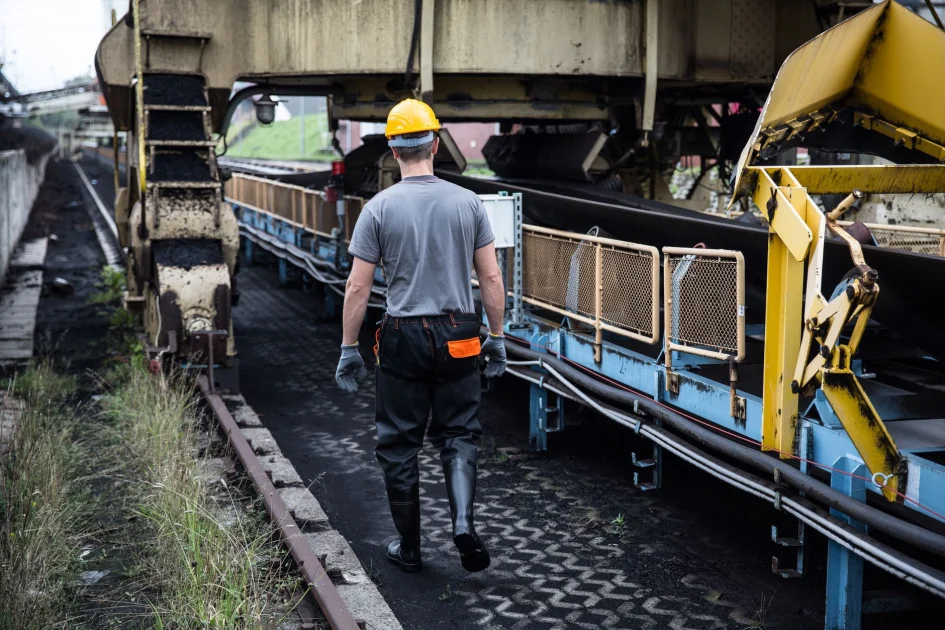
- Foot protection: used to protect against heavy objects and sharp edges
In addition to these types of personal protective equipment, there are also several other types of gear that can be used to protect employees, including respiratory protection, hearing protection, and fall protection. These types of equipment are designed to protect employees from specific hazards and risks, such as dust, noise, and falls. By selecting the right type of personal protective equipment for the job or task, organizations can help to prevent injuries and illnesses, reducing the financial burden on individuals and organizations.
The use of personal protective equipment is not only a moral obligation but also a legal requirement in many industries. Employers have a duty to provide their employees with a safe working environment, and personal protective equipment is an integral part of this responsibility. In addition to protecting employees, personal protective equipment also helps to reduce the risk of accidents and injuries, which can have a significant impact on productivity and profitability. By investing in personal protective equipment, organizations can demonstrate their commitment to the health and well-being of their employees, which can lead to increased job satisfaction and reduced turnover rates.
Indian Market Specifics
In India, the use of personal protective equipment is governed by various regulations and standards, including the Occupational Safety, Health and Working Conditions Code, 2020. This code requires employers to provide their employees with personal protective equipment that meets certain standards and specifications. The code also outlines the responsibilities of employers and employees in relation to the use of personal protective equipment. By understanding these regulations and standards, organizations can ensure that they are complying with the law and providing their employees with the necessary protection.
The Indian market for personal protective equipment is growing rapidly, driven by increasing demand from various industries, including manufacturing, construction, and healthcare. The market is expected to continue to grow in the coming years, driven by government initiatives to improve occupational safety and health. By investing in personal protective equipment, organizations can help to prevent injuries and illnesses, reducing the financial burden on individuals and organizations.
In addition to the regulatory framework, there are also several industry-specific standards and guidelines that govern the use of personal protective equipment in India. For example, the Indian Standards Institution has developed several standards for personal protective equipment, including standards for head protection, eye protection, and hand protection. By understanding these standards and guidelines, organizations can ensure that they are selecting the right type of personal protective equipment for their employees.
Comparison of Personal Protective Equipment
When selecting personal protective equipment, it is essential to compare different types of gear and select the one that best meets the specific needs of the job or task. This includes considering the type of equipment needed, the level of protection required, and the comfort and fit of the gear. By taking the time to compare different types of personal protective equipment, organizations can help to ensure that their employees are protected from injuries and illnesses, reducing the financial burden on individuals and organizations.
The comparison of personal protective equipment should include several factors, including the level of protection provided, the comfort and fit of the gear, and the cost of the equipment. By considering these factors, organizations can select the right type of personal protective equipment for their employees, helping to prevent injuries and illnesses, and reducing the financial burden on individuals and organizations.
In addition to comparing different types of personal protective equipment, it is also essential to consider the specific hazards and risks associated with the job or task. This includes considering the type of equipment needed, the level of protection required, and the comfort and fit of the gear. By taking the time to consider these factors, organizations can help to ensure that their employees are protected from injuries and illnesses, reducing the financial burden on individuals and organizations.
Cost Analysis and ROI
The cost of personal protective equipment can vary widely, depending on the type of gear and the level of protection provided. However, the cost of personal protective equipment is a small price to pay compared to the cost of injuries and illnesses. By investing in personal protective equipment, organizations can help to prevent injuries and illnesses, reducing the financial burden on individuals and organizations.
In addition to the cost of personal protective equipment, it is also essential to consider the return on investment (ROI) of personal protective equipment. The ROI of personal protective equipment can be significant, as it can help to reduce the cost of injuries and illnesses, improve productivity, and increase job satisfaction. By investing in personal protective equipment, organizations can demonstrate their commitment to the health and well-being of their employees, which can lead to increased job satisfaction and reduced turnover rates.
The cost analysis of personal protective equipment should include several factors, including the cost of the equipment, the cost of maintenance and repair, and the cost of replacement. By considering these factors, organizations can help to ensure that they are selecting the right type of personal protective equipment for their employees, and that they are getting the best value for their money.
Implementation Guide
Implementing a personal protective equipment program can be a complex process, requiring careful planning and execution. The first step in implementing a personal protective equipment program is to conduct a hazard assessment, to identify the specific hazards and risks associated with the job or task. This includes considering the type of equipment needed, the level of protection required, and the comfort and fit of the gear.
Once the hazard assessment has been completed, the next step is to select the right type of personal protective equipment for the job or task. This includes considering the level of protection provided, the comfort and fit of the gear, and the cost of the equipment. By taking the time to select the right type of personal protective equipment, organizations can help to ensure that their employees are protected from injuries and illnesses, reducing the financial burden on individuals and organizations.
In addition to selecting the right type of personal protective equipment, it is also essential to provide training on the proper use and maintenance of the gear. This includes providing training on how to put on and take off the equipment, how to inspect the equipment for damage, and how to maintain and repair the equipment. By providing training on the proper use and maintenance of personal protective equipment, organizations can help to ensure that their employees are using the equipment correctly, and that they are getting the best value for their money.
Frequently Asked Questions
What are the 7 types of PPE?
The 7 types of personal protective equipment are head protection, eye protection, face protection, hand protection, foot protection, respiratory protection, and hearing protection.
What is full PPE gear?
Full PPE gear includes a combination of personal protective equipment, such as masks, gloves, eye protection, and face protection, that provides comprehensive protection against various hazards and risks.
What are 10 personal protective equipment?
The 10 personal protective equipment are masks, gloves, eye protection, face protection, hand protection, foot protection, respiratory protection, hearing protection, fall protection, and high-visibility clothing.
What are 8 types of personal protective equipment?
The 8 types of personal protective equipment are head protection, eye protection, face protection, hand protection, foot protection, respiratory protection, hearing protection, and fall protection.