Introduction
Personal protective equipment (PPE) is a vital component of any workplace, providing protection to employees from various hazards. The importance of safety equipment cannot be overstated, as it helps prevent injuries and ensures a safe working environment. In this article, we will delve into the world of personal protective equipment, exploring its various types, applications, and benefits. With a wide range of equipment available, it can be challenging to choose the right one for your specific needs.
The Indian market offers a vast array of protective gear, catering to diverse industries such as manufacturing, construction, and healthcare. As a safety-conscious employer, it is essential to invest in high-quality equipment that meets international standards. This not only ensures compliance with regulatory requirements but also promotes a culture of safety within the organization. To make an informed decision, it is crucial to understand the different types of personal protective equipment available and their respective applications.
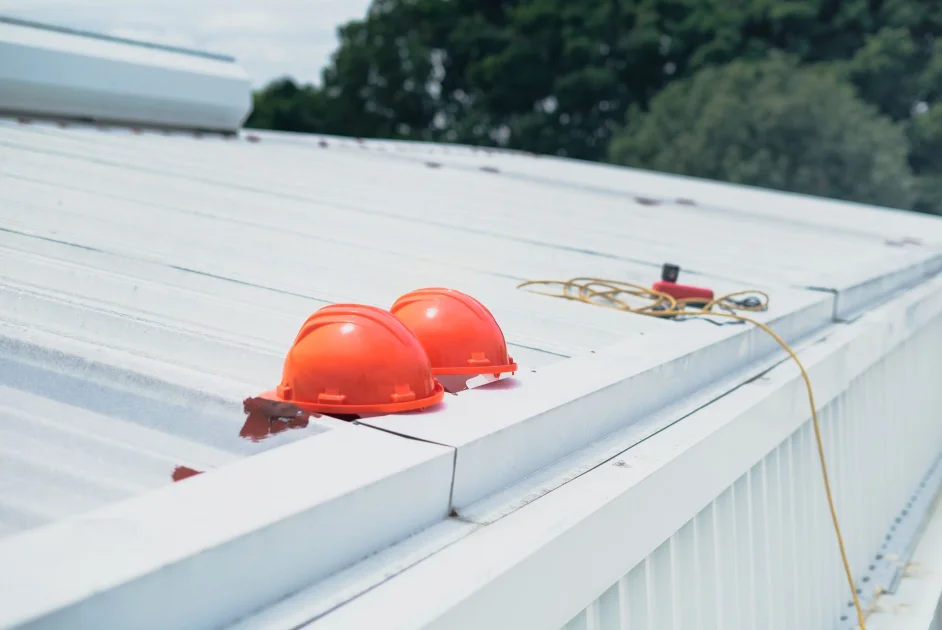
A full range of safety gear is essential for protecting employees from head to toe. This includes helmets, goggles, gloves, masks, and glasses. Each of these components plays a vital role in preventing injuries and ensuring a safe working environment. By investing in a full range of safety gear, employers can demonstrate their commitment to employee safety and well-being.
In addition to the physical benefits, personal protective equipment also has a significant impact on employee morale and productivity. When employees feel safe and protected, they are more likely to be motivated and focused on their work. This, in turn, can lead to increased efficiency and better overall performance. As we explore the world of personal protective equipment, we will examine the various factors that influence the selection of equipment and the importance of choosing the right protective gear for your specific needs.
Understanding Personal Protective Equipment
Personal protective equipment is designed to protect employees from various hazards, including physical, chemical, and biological threats. The primary goal of PPE is to prevent injuries and ensure a safe working environment. To achieve this, it is essential to understand the different types of equipment available and their respective applications. Some of the most common types of personal protective equipment include:
- Helmets: designed to protect the head from falling objects or other hazards
- Goggles: designed to protect the eyes from chemical splashes or other hazards
- Gloves: designed to protect the hands from cuts, abrasions, or other hazards
- Masks: designed to protect the respiratory system from airborne hazards
- Glasses: designed to protect the eyes from impact or other hazards
Each of these components plays a vital role in preventing injuries and ensuring a safe working environment. By understanding the different types of personal protective equipment available, employers can make informed decisions about the equipment needed to protect their employees. This, in turn, can help reduce the risk of injuries and promote a culture of safety within the organization.
In addition to the types of equipment available, it is also essential to consider the various factors that influence the selection of personal protective equipment. These factors include the type of hazard, the level of risk, and the specific needs of the employee. By considering these factors, employers can choose the right protective gear for their employees and ensure a safe working environment.
Types of Personal Protective Equipment
There are several types of personal protective equipment available, each designed to protect employees from specific hazards. Some of the most common types of PPE include:
- Head protection: includes helmets, hard hats, and other types of headgear
- Eye protection: includes goggles, safety glasses, and other types of eyewear
- Hand protection: includes gloves, arm guards, and other types of handgear
- Respiratory protection: includes masks, respirators, and other types of breathing apparatus
- Foot protection: includes steel-toed boots, safety shoes, and other types of footwear
Each of these types of personal protective equipment plays a vital role in preventing injuries and ensuring a safe working environment. By understanding the different types of equipment available, employers can make informed decisions about the protective gear needed to protect their employees.
In addition to the types of equipment available, it is also essential to consider the various factors that influence the selection of personal protective equipment. These factors include the type of hazard, the level of risk, and the specific needs of the employee. By considering these factors, employers can choose the right protective gear for their employees and ensure a safe working environment.
Indian Market and Regulations
The Indian market offers a vast array of personal protective equipment, catering to diverse industries such as manufacturing, construction, and healthcare. As a safety-conscious employer, it is essential to invest in high-quality equipment that meets international standards. This not only ensures compliance with regulatory requirements but also promotes a culture of safety within the organization.
In India, the use of personal protective equipment is regulated by various laws and regulations, including the Factories Act, 1948, and the Occupational Safety, Health and Working Conditions Code, 2020. These regulations require employers to provide protective gear to their employees and ensure a safe working environment.
- Factories Act, 1948: requires employers to provide protective gear to their employees and ensure a safe working environment
- Occupational Safety, Health and Working Conditions Code, 2020: regulates the use of personal protective equipment and requires employers to provide protective gear to their employees
By complying with these regulations, employers can demonstrate their commitment to employee safety and well-being. This, in turn, can help reduce the risk of injuries and promote a culture of safety within the organization.
Comparison and Selection of Personal Protective Equipment
When selecting personal protective equipment, it is essential to consider various factors, including the type of hazard, the level of risk, and the specific needs of the employee. By considering these factors, employers can choose the right protective gear for their employees and ensure a safe working environment.
Some of the key factors to consider when selecting personal protective equipment include:
- Type of hazard: includes the type of hazard, the level of risk, and the specific needs of the employee
- Level of risk: includes the level of risk associated with the hazard and the potential consequences of not using protective gear
- Specific needs of the employee: includes the specific needs of the employee, including any medical conditions or disabilities
By considering these factors, employers can make informed decisions about the equipment needed to protect their employees. This, in turn, can help reduce the risk of injuries and promote a culture of safety within the organization.
Cost Analysis and ROI
The cost of personal protective equipment can vary depending on the type of equipment and the specific needs of the employee. However, the benefits of using protective gear far outweigh the costs. By investing in high-quality equipment, employers can reduce the risk of injuries and promote a culture of safety within the organization.
Some of the key benefits of using personal protective equipment include:
- Reduced risk of injuries: includes the reduced risk of injuries and the potential consequences of not using protective gear
- Increased productivity: includes the increased productivity and efficiency of employees who feel safe and protected
- Improved employee morale: includes the improved employee morale and job satisfaction of employees who feel safe and protected
By investing in personal protective equipment, employers can demonstrate their commitment to employee safety and well-being. This, in turn, can help reduce the risk of injuries and promote a culture of safety within the organization.
Implementation Guide
Implementing a personal protective equipment program can be a complex process, but with the right guidance, employers can ensure a safe working environment for their employees. Some of the key steps to consider when implementing a PPE program include:
- Conduct a hazard assessment: includes identifying the hazards in the workplace and determining the level of risk
- Select the right equipment: includes selecting the right protective gear for the specific needs of the employee
- Train employees: includes training employees on the proper use and maintenance of protective gear
By following these steps, employers can ensure a safe working environment for their employees and promote a culture of safety within the organization.
Frequently Asked Questions
What is full PPE gear?
Full PPE gear refers to a complete set of protective gear, including helmets, goggles, gloves, masks, and glasses.
What are 7 types of PPE?
The 7 types of PPE include head protection, eye protection, hand protection, respiratory protection, foot protection, body protection, and hearing protection.
What are 10 personal protective equipment?
The 10 personal protective equipment include helmets, goggles, gloves, masks, glasses, steel-toed boots, safety shoes, earplugs, respirators, and coveralls.
What are the 8 types of PPE?
The 8 types of PPE include head protection, eye protection, hand protection, respiratory protection, foot protection, body protection, hearing protection, and fall protection.