Introduction
Personal protective equipment, also known as protective gear, is crucial for ensuring the safety and protection of individuals in various industries, including manufacturing, construction, and healthcare. The importance of personal protective equipment cannot be overstated, as it provides a barrier between the individual and potential hazards, preventing injuries and illnesses. In this article, we will delve into the world of personal protective equipment, exploring its various types, equipment, and gear, as well as its significance in the Indian market.
The use of personal protective equipment is not only limited to industries but also extends to everyday life, where individuals may require protection from external factors such as the environment or hazardous materials. The range of protective equipment available is vast, catering to different needs and industries, including gloves, helmets, and glasses. With the increasing awareness of safety and protection, the demand for personal protective equipment is on the rise, driving innovation and development in the industry.
In India, the demand for personal protective equipment is particularly high, given the country's large and diverse industrial sector. The Indian government has implemented various regulations and standards to ensure the use of personal protective equipment in industries, further driving the demand for protective gear. As a result, manufacturers and suppliers of personal protective equipment are focusing on providing high-quality equipment that meets international standards, while also being affordable and accessible to the Indian market.
The importance of personal protective equipment cannot be overstated, and its significance extends beyond the individual to the organization as a whole. By providing protective gear to employees, organizations can reduce the risk of accidents and injuries, resulting in lower costs and increased productivity. Moreover, the use of personal protective equipment can also enhance the reputation of an organization, demonstrating its commitment to the safety and well-being of its employees.
Technical Information
The technical aspects of personal protective equipment are critical in ensuring its effectiveness in preventing injuries and illnesses. Protective equipment can be categorized into different types, including head protection, eye protection, hand protection, and foot protection. Each type of protective equipment is designed to provide protection against specific hazards, such as falling objects, chemical splashes, or electrical shocks.
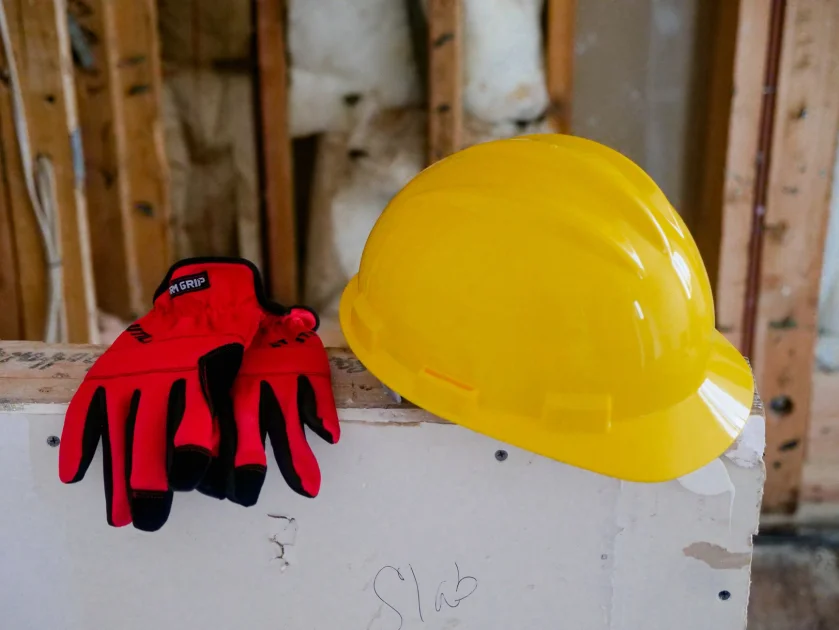
Head protection is one of the most critical types of personal protective equipment, as it provides protection against head injuries, which can be fatal. Helmets are the most common head protection equipment, and they come in different types, including hard hats, bump caps, and safety helmets. The choice of head protection equipment depends on the specific hazard and the industry, with some helmets designed for high-impact industries such as construction.
Eye protection is another critical type of personal protective equipment, as it provides protection against eye injuries, which can result in permanent damage or blindness. Glasses and goggles are the most common eye protection equipment, and they come in different types, including prescription glasses, safety glasses, and chemical goggles. The choice of eye protection equipment depends on the specific hazard and the industry, with some glasses designed for high-risk industries such as chemical manufacturing.
Hand protection is also an essential type of personal protective equipment, as it provides protection against hand injuries, which can result in permanent damage or disability. Gloves are the most common hand protection equipment, and they come in different types, including latex gloves, nitrile gloves, and leather gloves. The choice of hand protection equipment depends on the specific hazard and the industry, with some gloves designed for high-risk industries such as healthcare.
Types of Personal Protective Equipment
There are various types of personal protective equipment available, catering to different needs and industries. Some of the most common types of protective equipment include:
- Head protection: hard hats, bump caps, safety helmets
- Eye protection: glasses, goggles, face shields
- Hand protection: gloves, mittens, arm guards
- Foot protection: safety shoes, boots, toe guards
- Body protection: coveralls, aprons, vests
- Respiratory protection: masks, respirators, breathing apparatus
- Hearing protection: earplugs, earmuffs, headphones
Each type of personal protective equipment is designed to provide protection against specific hazards, and the choice of equipment depends on the industry, job, and task. It is essential to select the right type of protective equipment to ensure effective protection against hazards.
In addition to the types of personal protective equipment mentioned above, there are also other types of equipment that provide protection against specific hazards. For example, high-visibility clothing provides visibility in low-light environments, while thermal protection provides protection against extreme temperatures.
Indian Market Specifics
The Indian market for personal protective equipment is significant, driven by the country's large and diverse industrial sector. The Indian government has implemented various regulations and standards to ensure the use of personal protective equipment in industries, further driving the demand for protective gear. The Indian market is characterized by a wide range of protective equipment available, catering to different needs and industries.
The Indian government has established various regulations and standards for personal protective equipment, including the Personal Protective Equipment (PPE) Regulations, 2018, and the Indian Standard (IS) 15298 (Part 1): 2019. These regulations and standards provide guidelines for the manufacture, testing, and certification of personal protective equipment in India.
In addition to the regulations and standards, the Indian market is also driven by the increasing awareness of safety and protection among industries and individuals. The demand for personal protective equipment is on the rise, driven by the growing need for protective gear in various industries, including manufacturing, construction, and healthcare.
The Indian market for personal protective equipment is competitive, with a wide range of manufacturers and suppliers operating in the market. The market is characterized by a mix of domestic and international players, with some of the leading international brands having a significant presence in the Indian market.
Comparison and Selection Criteria
When selecting personal protective equipment, it is essential to consider various factors, including the type of hazard, the industry, and the job. The selection of protective equipment depends on the specific needs and requirements of the individual or organization.
Some of the key factors to consider when selecting personal protective equipment include:
- Effectiveness: the ability of the equipment to provide protection against specific hazards
- Comfort: the level of comfort provided by the equipment, including factors such as weight, fit, and breathability
- Durability: the ability of the equipment to withstand wear and tear, including factors such as material quality and construction
- Cost: the cost of the equipment, including factors such as purchase price, maintenance, and replacement
- Compliance: the compliance of the equipment with relevant regulations and standards
It is also essential to consider the certification and testing of the equipment, including factors such as compliance with international standards and testing protocols.
Cost Analysis and ROI
The cost of personal protective equipment can vary significantly, depending on the type of equipment, the industry, and the supplier. The cost of protective equipment includes not only the purchase price but also maintenance, replacement, and training costs.
Despite the costs, the use of personal protective equipment can provide significant returns on investment (ROI), including:
- Reduced accident rates: the use of protective equipment can reduce the risk of accidents and injuries, resulting in lower costs and increased productivity
- Improved employee morale: the provision of protective equipment can demonstrate an organization's commitment to the safety and well-being of its employees, resulting in improved morale and reduced turnover
- Enhanced reputation: the use of personal protective equipment can enhance an organization's reputation, demonstrating its commitment to safety and protection
The ROI of personal protective equipment can be significant, with some studies suggesting that the use of protective equipment can provide returns of up to 10 times the initial investment.
Implementation Guide
Implementing a personal protective equipment program requires a systematic approach, including:
- Identifying hazards: identifying the hazards and risks associated with the job or industry
- Selecting equipment: selecting the appropriate protective equipment based on the hazard and the job
- Training employees: training employees on the use and maintenance of protective equipment
- Monitoring and evaluating: monitoring and evaluating the effectiveness of the personal protective equipment program
It is also essential to consider the certification and testing of the equipment, including factors such as compliance with international standards and testing protocols.
Frequently Asked Questions
What is full PPE gear?
Full PPE gear refers to the complete set of personal protective equipment required for a specific job or industry, including head protection, eye protection, hand protection, and foot protection.
What are the 7 types of PPE?
The 7 types of PPE include head protection, eye protection, hand protection, foot protection, body protection, respiratory protection, and hearing protection.
What are the 10 personal protective equipments?
The 10 personal protective equipments include helmets, glasses, gloves, safety shoes, coveralls, aprons, vests, masks, respirators, and earplugs.
What are the 8 types of PPE?
The 8 types of PPE include head protection, eye protection, hand protection, foot protection, body protection, respiratory protection, hearing protection, and high-visibility clothing.