Introduction
Pharmaceutical packaging is a critical aspect of the pharma industry, which requires careful consideration of corrugated and plastic packaging materials to ensure the safe transportation and storage of pharma products. The choice of packaging material can have a significant impact on the quality and integrity of the products, which is why it is essential to compare the benefits and drawbacks of corrugated and plastic packaging. In this article, we will provide a comprehensive guide to help procurement managers, factory supervisors, and warehouse managers in India make informed decisions about their packaging needs. The importance of packaging materials cannot be overstated, as they play a crucial role in protecting pharma products from damage, contamination, and degradation. With the increasing demand for pharmaceutical products in India, it is essential to have a reliable and efficient packaging system in place.
The Indian pharma industry is one of the fastest-growing industries in the country, with a significant increase in the production and distribution of pharmaceutical products. As a result, there is a growing need for high-quality packaging materials that can meet the stringent requirements of the industry. Corrugated and plastic packaging are two of the most commonly used packaging materials in the pharma industry, each with its own set of advantages and disadvantages. In this article, we will provide a detailed comparison of these two packaging materials, including their benefits, drawbacks, and applications.
The 3 C's of packaging, which include containment, protection, and communication, are essential considerations when selecting a packaging material for pharma products. Containment refers to the ability of the packaging material to prevent the product from escaping or leaking, while protection refers to the ability of the material to protect the product from damage or contamination. Communication refers to the ability of the packaging material to provide clear and accurate information about the product, including its ingredients, dosage, and handling instructions. By considering these 3 C's, procurement managers and factory supervisors can ensure that their packaging materials meet the necessary standards and regulations.
Packaging Materials and Their Applications
Pharmaceutical packaging requires a wide range of materials, including corrugated boxes, plastic containers, glass bottles, and paper labels. Each of these materials has its own unique characteristics and applications, and the choice of material will depend on the specific needs of the product. For example, corrugated boxes are often used for shipping and storing pharma products, while plastic containers are used for packaging and dispensing pharmaceuticals. Glass bottles are used for packaging pharmaceutical liquids, while paper labels are used for labeling and identifying pharma products.
The two types of packaging material in pharmaceutics are primary and secondary packaging. Primary packaging refers to the material that comes into direct contact with the product, while secondary packaging refers to the material that is used to package and protect the primary packaging. Primary packaging materials include plastic containers, glass bottles, and paper labels, while secondary packaging materials include corrugated boxes and plastic bags. By understanding the different types of packaging materials and their applications, procurement managers and factory supervisors can make informed decisions about their packaging needs.
Packaging materials play a critical role in the pharma industry, and their selection will depend on a range of factors, including the type of product, its intended use, and the regulatory requirements. Pharmaceutical products require packaging materials that are safe, secure, and compliant with regulatory standards. In India, the Central Drugs Standard Control Organisation (CDSCO) is responsible for regulating the packaging of pharmaceutical products. By complying with these regulations, procurement managers and factory supervisors can ensure that their packaging materials meet the necessary standards and requirements.
Types of Packaging Materials
There are several types of packaging materials available, each with its own unique characteristics and applications. Some of the most common types of packaging materials include:
- Corrugated boxes: These are made from paperboard and are used for shipping and storing pharma products.
- Plastic containers: These are made from plastic and are used for packaging and dispensing pharmaceuticals.
- Glass bottles: These are made from glass and are used for packaging pharmaceutical liquids.
- Paper labels: These are made from paper and are used for labeling and identifying pharma products.
These packaging materials are used in a variety of applications, including shipping, storing, and dispensing pharmaceutical products. By selecting the right packaging material for the job, procurement managers and factory supervisors can ensure that their products are safe, secure, and compliant with regulatory standards.
The 4 types of packaging materials are primary, secondary, tertiary, and quaternary packaging. Primary packaging refers to the material that comes into direct contact with the product, while secondary packaging refers to the material that is used to package and protect the primary packaging. Tertiary packaging refers to the material that is used to package and protect the secondary packaging, while quaternary packaging refers to the material that is used to package and protect the tertiary packaging.
Indian Market Specifics and Regulations
The Indian pharma industry is subject to a range of regulations and standards, including those related to packaging. The CDSCO is responsible for regulating the packaging of pharmaceutical products in India, and ensures that all packaging materials comply with regulatory standards. By complying with these regulations, procurement managers and factory supervisors can ensure that their packaging materials meet the necessary standards and requirements.
In India, the Pharmaceuticals Packaging Regulations require that all pharmaceutical products be packaged in materials that are safe, secure, and compliant with regulatory standards. The regulations also require that all packaging materials be labeled with clear and accurate information about the product, including its ingredients, dosage, and handling instructions. By complying with these regulations, procurement managers and factory supervisors can ensure that their packaging materials meet the necessary standards and requirements.
The Indian pharma industry is also subject to a range of international regulations and standards, including those related to packaging. The World Health Organization (WHO) and the International Organization for Standardization (ISO) provide guidelines and standards for the packaging of pharmaceutical products. By complying with these regulations, procurement managers and factory supervisors can ensure that their packaging materials meet the necessary standards and requirements.
Comparison and Selection Criteria
When selecting a packaging material for pharma products, there are several factors to consider, including the type of product, its intended use, and the regulatory requirements. Corrugated boxes and plastic containers are two of the most commonly used packaging materials in the pharma industry, each with its own unique characteristics and applications.
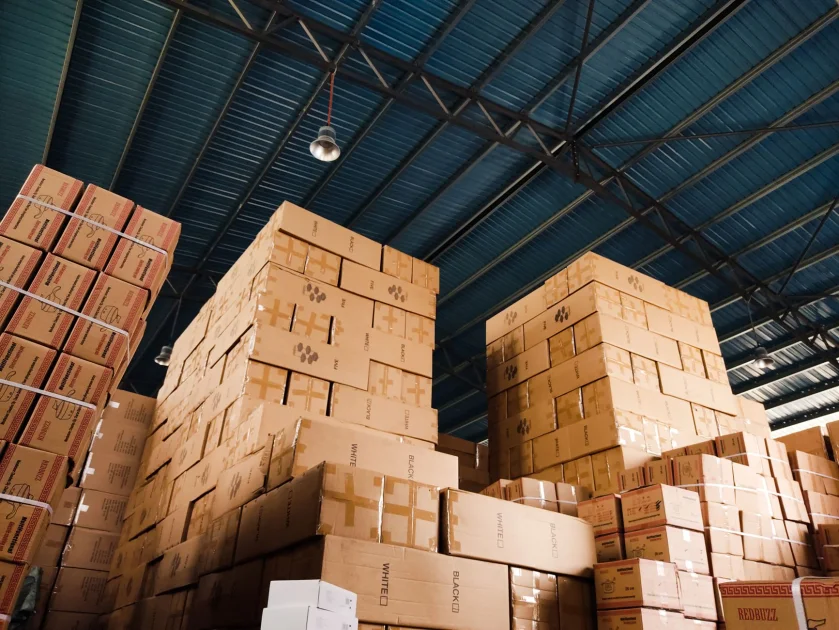
Corrugated boxes are made from paperboard and are used for shipping and storing pharma products. They are a cost-effective and environmentally friendly option, but may not provide the same level of protection as plastic containers. Plastic containers are made from plastic and are used for packaging and dispensing pharmaceuticals. They are a durable and secure option, but may be more expensive than corrugated boxes.
When selecting a packaging material, procurement managers and factory supervisors should consider the following factors:
- Product type: The type of product being packaged will determine the type of packaging material required.
- Intended use: The intended use of the product will determine the type of packaging material required.
- Regulatory requirements: The regulatory requirements for the packaging of pharmaceutical products will determine the type of packaging material required.
By considering these factors, procurement managers and factory supervisors can select the most suitable packaging material for their pharma products.
Cost Analysis and ROI
The cost of packaging materials can have a significant impact on the bottom line of a company. Corrugated boxes and plastic containers are two of the most commonly used packaging materials in the pharma industry, each with its own unique characteristics and applications.
Corrugated boxes are a cost-effective option, but may not provide the same level of protection as plastic containers. Plastic containers are a durable and secure option, but may be more expensive than corrugated boxes. When considering the cost of packaging materials, procurement managers and factory supervisors should also consider the return on investment (ROI) of the material.
The ROI of a packaging material will depend on a range of factors, including the cost of the material, the level of protection it provides, and the regulatory requirements. By considering these factors, procurement managers and factory supervisors can select the most cost-effective packaging material for their pharma products.
Some practical tips for reducing the cost of packaging materials include:
- Using recycled materials: Using recycled materials can help reduce the cost of packaging materials and minimize waste.
- Optimizing packaging design: Optimizing packaging design can help reduce the amount of material required and minimize waste.
- Using alternative materials: Using alternative materials can help reduce the cost of packaging materials and minimize waste.
Implementation Guide and Best Practices
Implementing a packaging system can be a complex and challenging process, requiring careful planning and consideration of a range of factors. When implementing a packaging system, procurement managers and factory supervisors should consider the following best practices:
Conduct a thorough risk assessment: Conducting a thorough risk assessment can help identify potential risks and hazards associated with the packaging system.
Develop a comprehensive packaging plan: Developing a comprehensive packaging plan can help ensure that all aspects of the packaging system are considered and addressed.
Train personnel: Training personnel can help ensure that they are aware of the packaging system and can operate it safely and effectively.
Some additional best practices for implementing a packaging system include:
- Using standardized packaging materials: Using standardized packaging materials can help ensure consistency and quality across the packaging system.
- Implementing a quality control program: Implementing a quality control program can help ensure that all packaging materials meet the necessary standards and requirements.
- Continuously monitoring and evaluating the packaging system: Continuously monitoring and evaluating the packaging system can help identify areas for improvement and optimize the system.
Frequently Asked Questions
What are the 3 C's of packaging?
The 3 C's of packaging are containment, protection, and communication. These three factors are essential considerations when selecting a packaging material for pharma products.
What are the disadvantages of corrugated packaging?
The disadvantages of corrugated packaging include its limited durability and potential for damage during shipping and storage.
What are the two types of packaging material in pharmaceutics?
The two types of packaging material in pharmaceutics are primary and secondary packaging. Primary packaging refers to the material that comes into direct contact with the product, while secondary packaging refers to the material that is used to package and protect the primary packaging.
What are the 4 types of packaging materials?
The 4 types of packaging materials are primary, secondary, tertiary, and quaternary packaging. Primary packaging refers to the material that comes into direct contact with the product, while secondary packaging refers to the material that is used to package and protect the primary packaging. Tertiary packaging refers to the material that is used to package and protect the secondary packaging, while quaternary packaging refers to the material that is used to package and protect the tertiary packaging.